
Bigger Thomas’s Fatal Self-Assertion
Native SonThis thread follows Bigger Thomas’s changing sense of agency, from powerlessness through crime to a final, unresolved claim on his own meaning.
increasing Bearing strength in each event
 decreasing
Bearing strength in each eventdecreasingA Life Behind a Wall
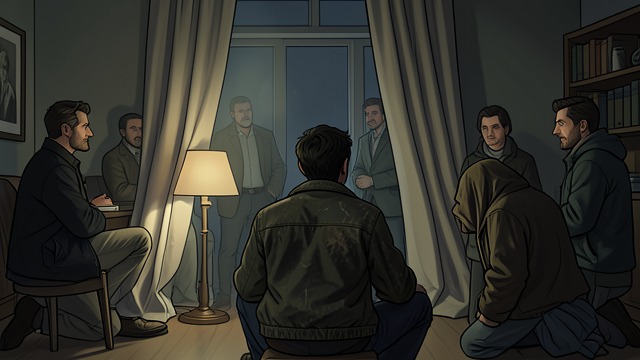
Defensive Detachment
Avoiding the family’s pain
Bigger knows that his mother and siblings suffer, but he keeps emotional distance because fully facing their condition would overwhelm him. He describes his reserve as a wall or curtain separating him from what he feels.
Survival without direction
His indifference is not contentment; it is a defense against shame and helplessness. The inability to imagine a viable choice leaves him oscillating between brooding and sudden aggression.
A Crime Feels Like Power
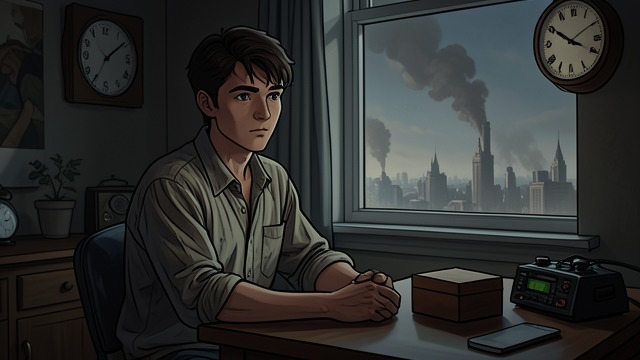
The Murder as an Anchor
A new private certainty
Bigger sits with his family after killing Mary and feels that the secret gives him something nobody can take from him. For the first time, his actions seem to have made him consequential.
Freedom built on danger
He interprets the crime as a break from passive routine, not simply as a source of terror. That feeling gives him temporary confidence, but it depends on concealment and cannot survive discovery.
A False Sense of Control
Action Without Security
Acting on the scheme
Bigger lies to the Daltons, frames Jan, and recruits Bessie into a ransom plot. These actions let him imagine that he can manage the people and events around him.
Fear returns through consequences
Each new maneuver creates another danger, from Britten’s questioning to the press and the discovery of Mary’s bones. His apparent control remains reactive, shaped by the very fear he wants to master.
A Fugitive’s Exhaustion

Agency at the Edge
Flight through the city
Bigger tries to stay hidden in abandoned buildings, finds food, and reads that police are searching block by block. He fights capture on the rooftops and refuses to surrender until cold and force defeat him.
Choice narrowed to survival
His resistance demonstrates determination, but his available actions have contracted to hiding, fighting, or being caught. The arrest reveals the limits of the freedom he thought murder had secured.
A Claim Before Death

Meaning Claimed, Not Resolved
A new interpretation
Max helps Bigger connect his desire to act with the blocked hopes shared by many people. Bigger recognizes that his actions were wrong but insists they arose from a deep need to live and matter.
A final self-assertion
Bigger tells Max that what he killed for was what he was, a statement of identity rather than an excuse. He faces execution still isolated, yet no longer wholly convinced that his feelings have no meaning.
Early on the first morning, after the family argues
Sunday morning after Mary’s death, at the family breakfast
Sunday afternoon and evening, as suspicion grows
During the snowstorm and rooftop pursuit
During the final conversation with Max
